What to Expect During a Pest Removal Service in Eastsound, WA
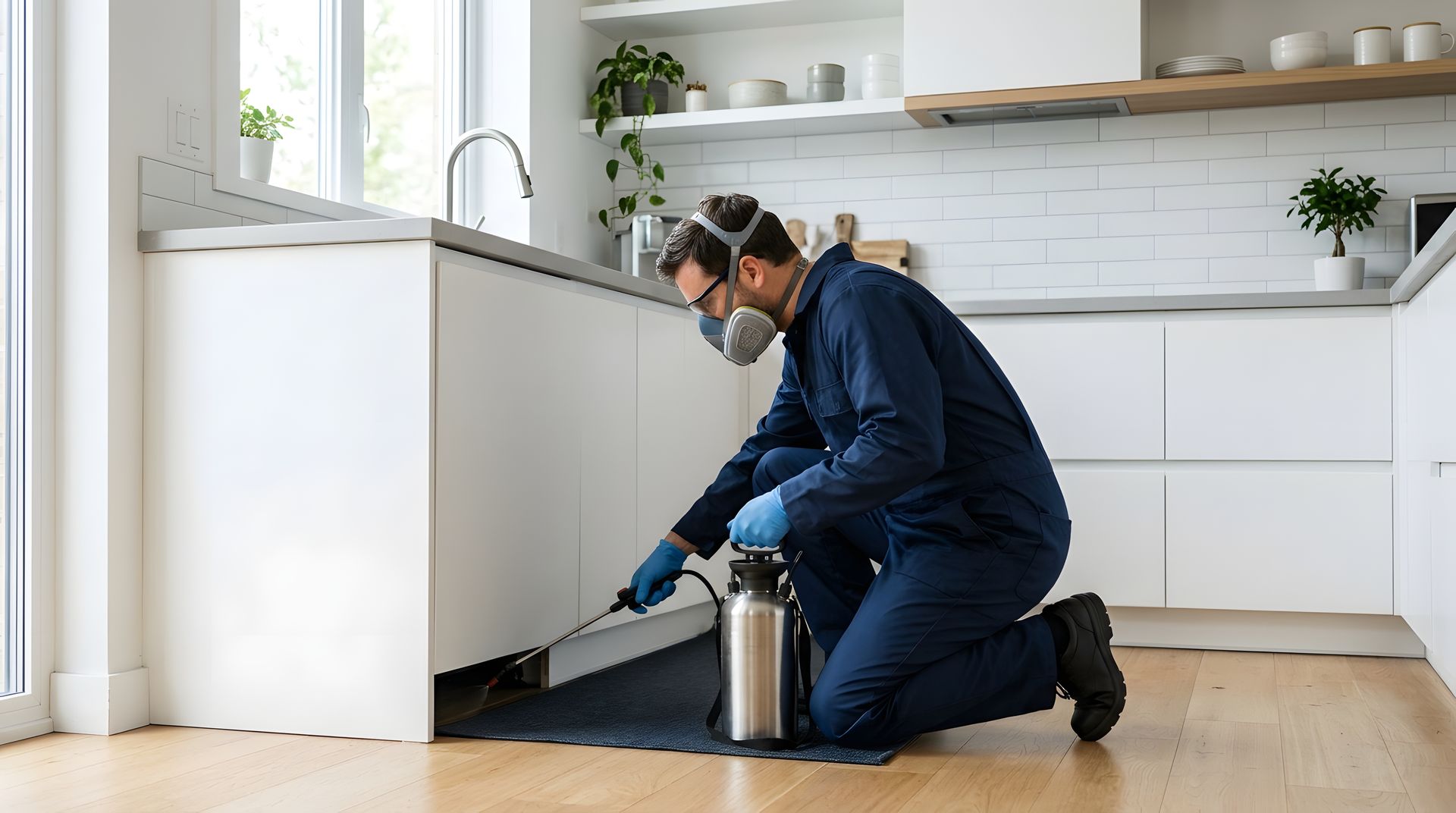
Knowing what happens during a pest removal inspection helps Eastsound homeowners and business owners make confident decisions before, during, and after the visit. Whether you suspect carpenter ants tunneling through a wall or rodents scratching behind the baseboards, a professional inspection is the first step toward a pest-free property. This guide walks through the full process so you know exactly what to expect when you book a pest removal service in Eastsound, WA.
Why Orcas Island Properties Face Unique Pest Pressures
Orcas Island's maritime climate means mild, damp winters that rarely freeze hard enough to kill off pest populations the way colder inland regions do. Moisture lingers in crawl spaces, under decks, and around foundation vents throughout the rainy season, giving carpenter ants, rodents, and moisture-seeking insects ideal conditions.
Wooded lots bring properties into close contact with fallen timber and thick vegetation. Carpenter ants thrive in decaying wood and can move from a rotting log into your home's structure with little effort. Rodents travel easily through dense brush before finding gaps in siding or foundation walls. Choosing a pest removal service in Eastsound, WA, with local knowledge of these conditions makes a measurable difference in inspection accuracy.
What Does a Pest Removal Inspection Actually Cover?
A thorough inspection covers far more than a quick walk-through of visible rooms.
Entry Points and Exterior Vulnerabilities
The inspector begins outside, looking for cracks in the foundation, gaps around utility lines, unscreened vents, and deteriorating wood along soffits, windowsills, and door frames. On Orcas Island, exterior siding can take on moisture damage faster than in drier climates, creating soft or rotting wood that pests exploit as entry points.
Crawl Spaces and Moisture Zones
Crawl spaces are among the most common problem areas on island properties. The inspector checks for standing water, damaged vapor barriers, insulation disturbance (a common sign of rodent activity), and pest evidence such as droppings, nesting material, or trails.
Interior Rooms, Walls, and Attic Spaces
Inside the home, the inspector looks for signs of activity rather than the pests themselves, since most are nocturnal or hidden. They check behind appliances, inside cabinet voids, along baseboards, around plumbing penetrations, and in attic insulation. Gnaw marks, grease trails, frass, and shed skins all point to specific pest types and infestation severity.
Infestation Severity
Gauging how large and established the infestation may be is a key inspection goal. Early-stage activity may require only a targeted preventive treatment, while a heavy infestation may call for a full removal program with follow-up visits.
How to Prepare Your Home Before the Inspection
A few simple steps help ensure nothing is missed. Clear access to crawl space entry points and attic hatches. Move stored items away from walls in garages, basements, and utility rooms. Note any areas where you have heard sounds, seen droppings, or noticed damage. Avoid DIY sprays or traps in the 24 to 48 hours before the visit, as these can scatter pests and obscure evidence. Let the inspector know about any recent landscaping changes, wood deliveries, or construction work near the home.
When to Choose Full Removal vs. Preventive Treatment
Preventive treatment may be appropriate when the inspector finds early or isolated evidence, such as a small number of ant foragers or minor rodent entry points with no confirmed nesting. A pest removal service in Eastsound, WA, that starts with a thorough property assessment is better positioned to recommend the right level of response rather than over-treating or under-treating.
Full removal programs are more likely when the inspector finds confirmed nesting sites, widespread damage, structural compromise from carpenter ants, or multiple active rodent entry points. In these cases, a customized treatment plan with scheduled monitoring visits is often the most effective path forward. Acting early rather than waiting for signs to worsen can limit damage and reduce the scope of treatment needed.
Can I Stay Home During the Inspection?
Yes, and being present is often helpful. You can point out specific areas of concern and answer questions about the property's history and any seasonal patterns you have noticed. This information helps shape the most accurate treatment recommendation.
How Often Should I Schedule an Inspection?
For properties in Eastsound and across Orcas Island, annual inspections are a practical baseline. The wet season, typically fall through early spring, is when moisture rises and pests most actively seek shelter indoors. Many property owners schedule a pest removal service in Eastsound, WA, before winter sets in as a proactive measure. If you have had a previous infestation, more frequent visits may be advisable. A recurring schedule gives your property consistent protection through the seasons when pest pressure is highest.
Take the Next Step Toward a Pest-Free Property
A professional inspection is the clearest way to know what you are dealing with and what it will take to resolve it. If you have noticed warning signs or simply want peace of mind before the wet season arrives, reaching out to a qualified pest removal service in Eastsound, WA, is the right move. San Juan Pest Control has been serving Orcas Island and the surrounding San Juan Islands since 1986, bringing licensed, insured, and entomologist-led expertise to every inspection and treatment. Call (360) 378-2941 or contact the team online to schedule your inspection. You can also learn more about available pest removal services to understand all the options before your appointment.